Best guitar tuner: our 2026 comparison
Our picks at a glance
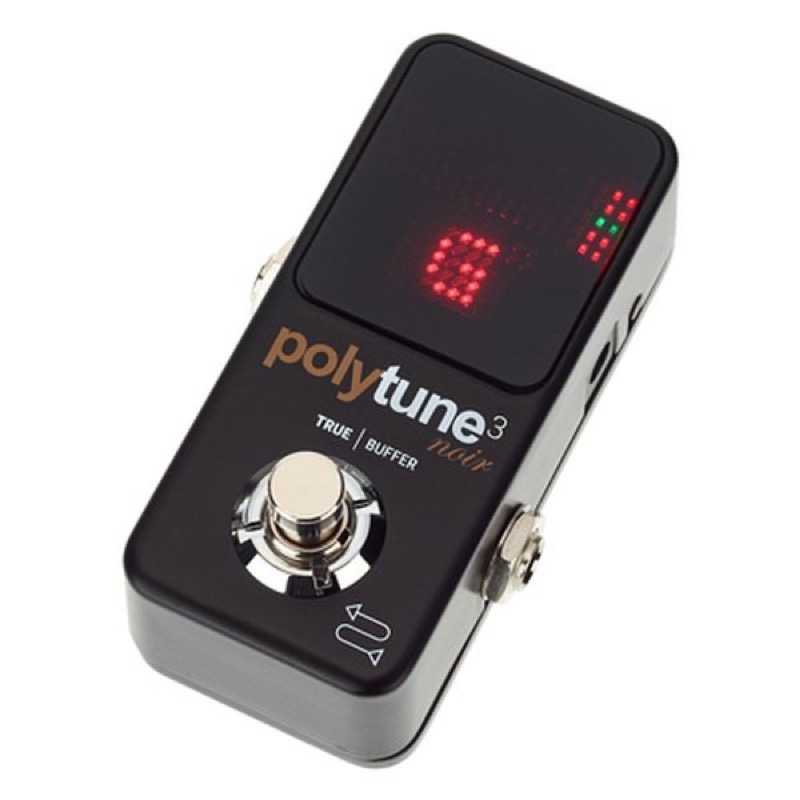
- Polyphonic mode: all six strings checked with a single strum
- Built-in Bonafide buffer, valuable on a large pedalboard
- Overkill if you have neither a pedalboard nor an amp
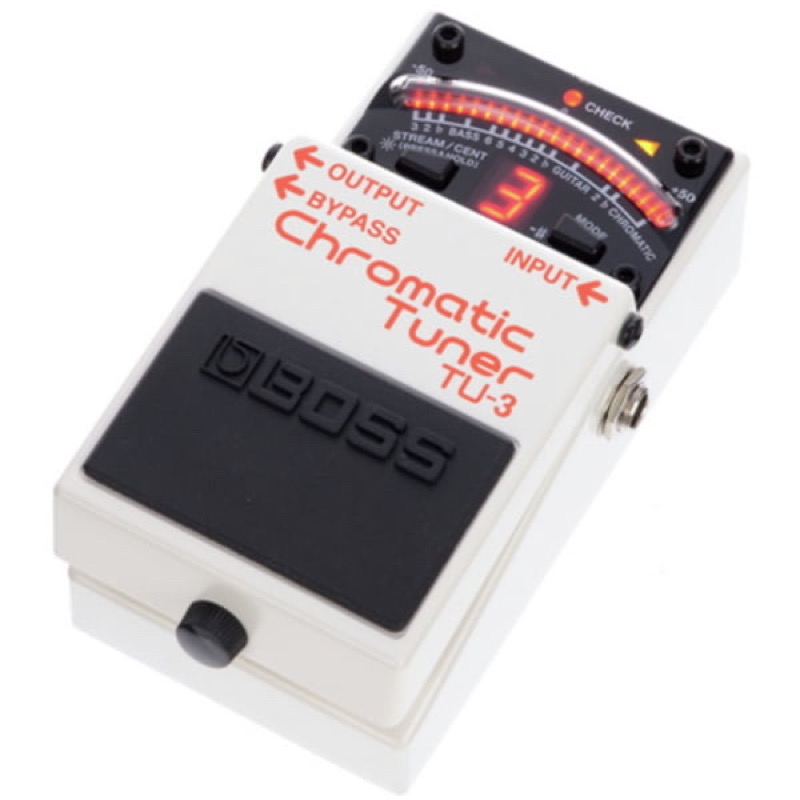
- The stage standard for decades, near-indestructible
- Display stays readable in full sun thanks to High Brightness mode
- No polyphonic mode and no premium buffer
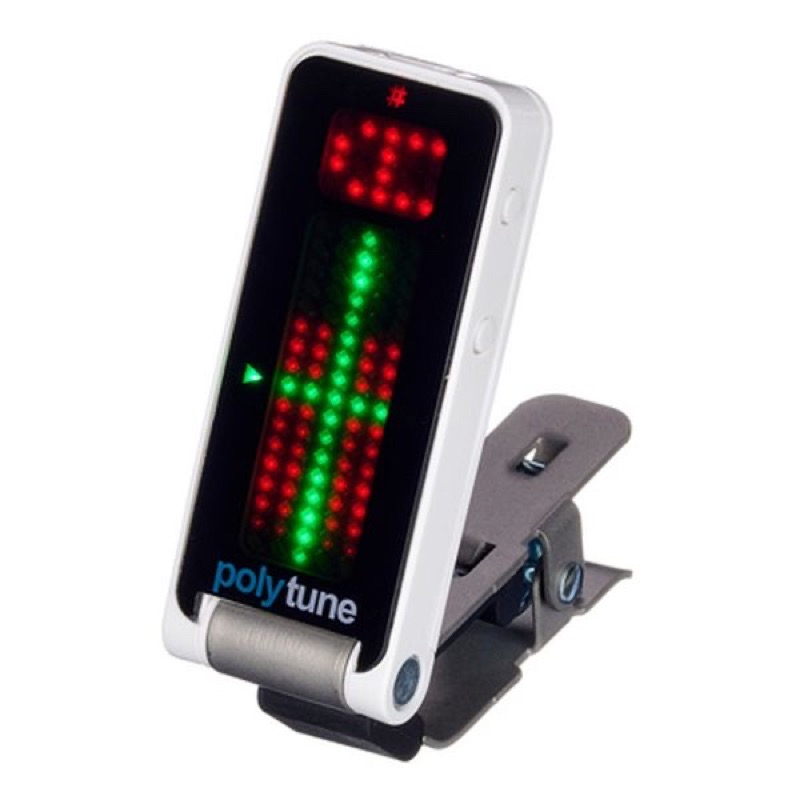
- Strobe accuracy of ±0.02 cent, unheard of on a clip-on tuner
- Works on acoustic and electric alike, no cable needed
- Bulkier on the headstock than a micro tuner
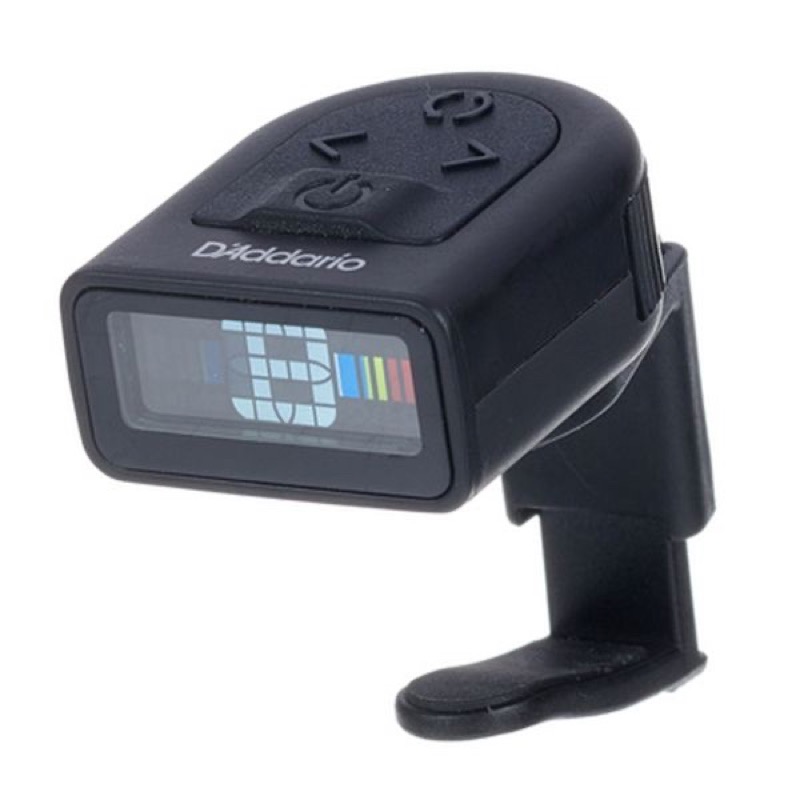
- Small enough to live permanently behind the headstock
- The cheapest here, perfect as a always-there backup
- Tiny display, harder to read on a dark stage or in bright sun
A guitarist who plays out of tune almost never has their ear to blame: they have a badly tuned guitar to blame. The tuner is the best-value accessory you can own, and our pick is quickly summed up: the TC Electronic PolyTune 3 pedal if you play plugged in, the PolyTune Clip at around €28 for everyone else. Here is why — and when the Boss and D’Addario alternatives make more sense.
This comparison is a round-up drawn from spec sheets and user feedback, not from a hands-on test bench.
In the meantime, our online tuner lets you tune your guitar from the browser, using your device’s microphone.
Comparison table
| Tuner | Format | Guide price | Stated accuracy | Who it’s for |
|---|---|---|---|---|
| TC PolyTune 3 | Pedal | ≈ €88 | ±0.02 cent (strobe) | Pedalboard, stage |
| Boss TU-3 | Pedal | ≈ €95 | ±1 cent | Stage, reliability above all |
| TC PolyTune Clip | Clip-on | ≈ €28 | ±0.02 cent (strobe) | Anything, cable-free |
| D’Addario NS Micro | Clip-on | ≈ €18 | Not stated | Discretion, backup |
Prices seen at Thomann at the time of publication; they can move.
How we chose
Three criteria. Reading reliability first: a tuner that hesitates or jumps between notes wastes more time than it saves; all four models here have unanimous user feedback on that point. Speed in the real world next: tuning up between two songs, in a noisy room, should take thirty seconds. And finally the right price for the job: no point paying for a pedal if you play on the sofa, no point saving €60 if your pedalboard is going on tour.
TC Electronic PolyTune 3: our pick
The PolyTune changed how we tune: strum all six open strings and the display shows at once which have drifted, then you fine-tune string by string in chromatic or strobe mode (±0.02 cent). According to user feedback, the reading is instant and the 109-LED display stays readable in any conditions, with automatic brightness adjustment.
The argument that clinches it: the built-in Bonafide buffer. On a pedalboard with several pedals and long cable runs, that circuit preserves the top end of your signal — an audible benefit that on its own justifies part of the price. At around €88, the PolyTune 3 is both an outstanding tuner and an accessory that improves your tone.
Who it’s for: any guitarist with a pedalboard, from the Sunday rehearser to the working player.
Boss TU-3: toughest
The TU-3 is the tuner you see on stages worldwide, and has been for decades; its reputation comes down to one word: indestructible. Classic Boss chassis, a footswitch that mutes the signal so you can tune in silence, a High Brightness mode for daylight gigs, and the ability to daisy-chain power to other pedals from its supply.
Against the PolyTune 3 it gives up polyphonic mode and strobe accuracy, for a slightly higher price (≈ €95). You choose it for one reason, but it is a good one: absolute certainty that it will still work in fifteen years, whatever the boot heels and spilled beer.
Who it’s for: the working player who values proven reliability over innovation.
TC Electronic PolyTune Clip: best clip-on
The PolyTune Clip packs most of its big brother’s technology (polyphonic mode, ±0.02 cent strobe, a very bright auto-rotating display) into a clip-on costing around €28. It picks vibrations straight out of the headstock: no cable, no ambient noise, and it works just as well on an acoustic by the fire as on an unplugged electric.
Its only real rival is the NS Micro below — more discreet but less readable. If you were only ever going to buy one tuner, this would be it.
Who it’s for: everyone. It is the universal tuner, and the best value in this comparison.
D’Addario NS Micro: most discreet
The PW-CT-12 plays a different game: it is so small it vanishes behind the headstock, to the point where you can simply leave it there — plenty of owners never take it off, even to put the guitar back in its case. At around €18, it turns any guitar into an instrument that is always ready to be tuned.
The trade-off for that miniaturisation is a small display, harder to read than a PolyTune Clip on a dark stage or outdoors. For the living room and the teaching studio, though, it does the job perfectly.
Who it’s for: the player who wants to forget about tuners, the student, or as a companion to a pedal for the guitars that stay at home.
Pedal, clip-on or app: picking the format
The clip-on is the default format: it works on every guitar, anywhere, without a cable. The pedal becomes essential the moment you play plugged in for an audience: signal muted while you tune, total immunity to noise, and it lives on the pedalboard. The smartphone app, finally, does the job at home but shows its limits as soon as there is noise around. And remember that stable tuning starts with strings in good condition.
Verdict
Pedalboard: PolyTune 3, no hesitation; the tuner and the buffer together justify every euro. No pedalboard: the PolyTune Clip delivers 90% of the service for around €28. The TU-3 remains the sentimental choice for anyone devoted to Boss reliability, and the NS Micro the one for absolute discretion. There is no bad choice on this page: the worst tuner is the one you left at home.
Prices are indicative, seen at Thomann on 19 August 2026.
Frequently asked questions
Clip-on or pedal tuner: which should I choose?
A clip-on suits every guitarist: it picks up vibrations through the wood and works anywhere, even unplugged. A pedal becomes the obvious choice as soon as you play plugged in on stage: it mutes the signal while you tune and is immune to ambient noise.
What is a polyphonic tuner?
A tuner that analyses all six strings played together: one strum is enough to see which have drifted, then you fine-tune string by string. TC Electronic's PolyTune technology made it mainstream; it is a real time-saver between songs.
Is a smartphone app enough to tune up?
For starting out quietly at home, yes. But a phone microphone picks up every bit of ambient noise: in a band, in a lesson or on stage, a dedicated clip-on or pedal tuner is faster, more accurate and always ready.
How accurate does a guitar tuner need to be?
The ear starts to notice a discrepancy at around 3 to 5 cents. A tuner accurate to ±1 cent is plenty for playing; strobe modes at ±0.02 cent are mainly for setting intonation during a full setup.