Best reverb pedal under €200: our 2026 comparison
Our picks at a glance
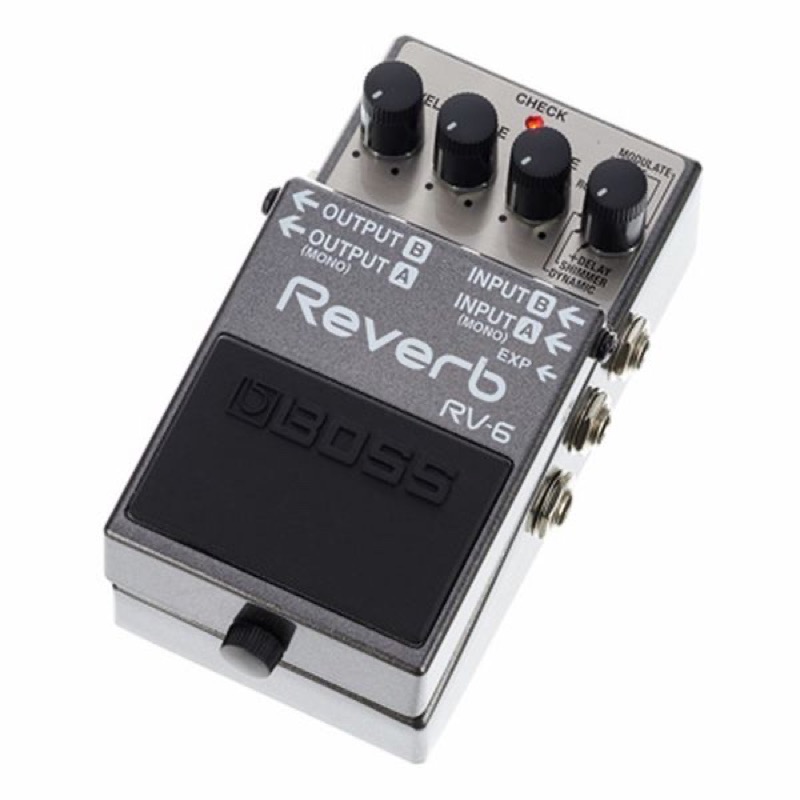
- Eight modes, every one of them usable, from spring to shimmer
- Legendary Boss ruggedness, stereo in and out
- No deep parameter editing
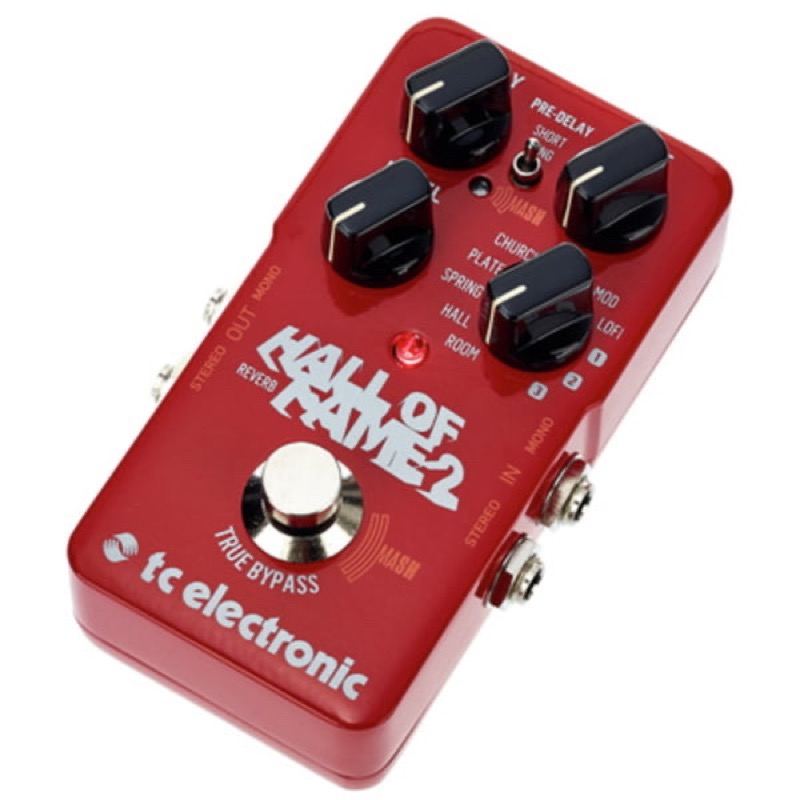
- TonePrint: near-limitless tweaking through the app
- Pressure-sensitive MASH footswitch
- You need the app to get the best out of it
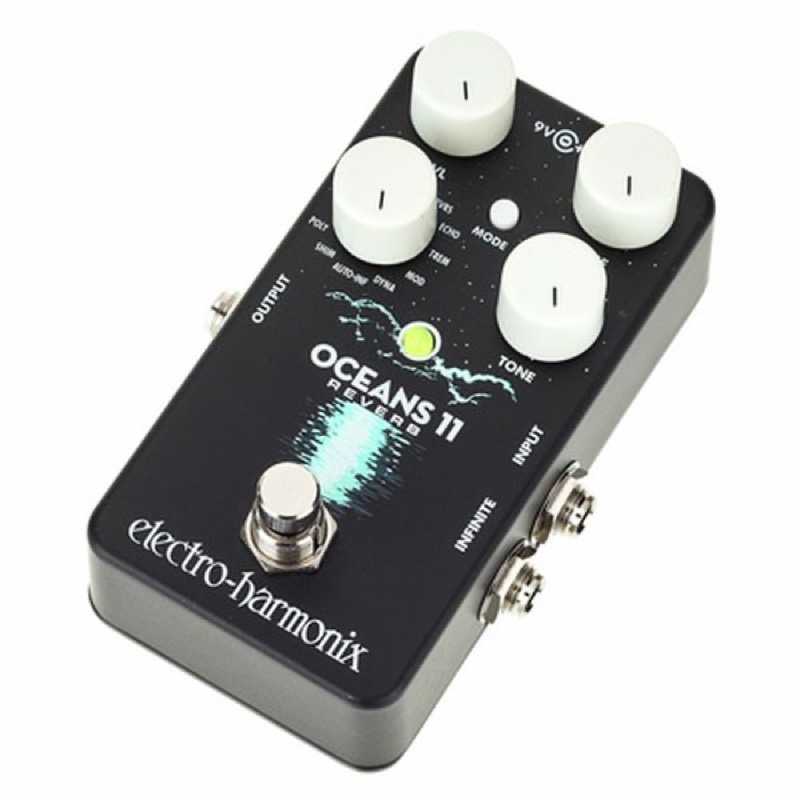
- Eleven algorithms, including experimental modes you won't find elsewhere
- 9V power supply included
- Some modes hide sub-settings behind unintuitive button combinations
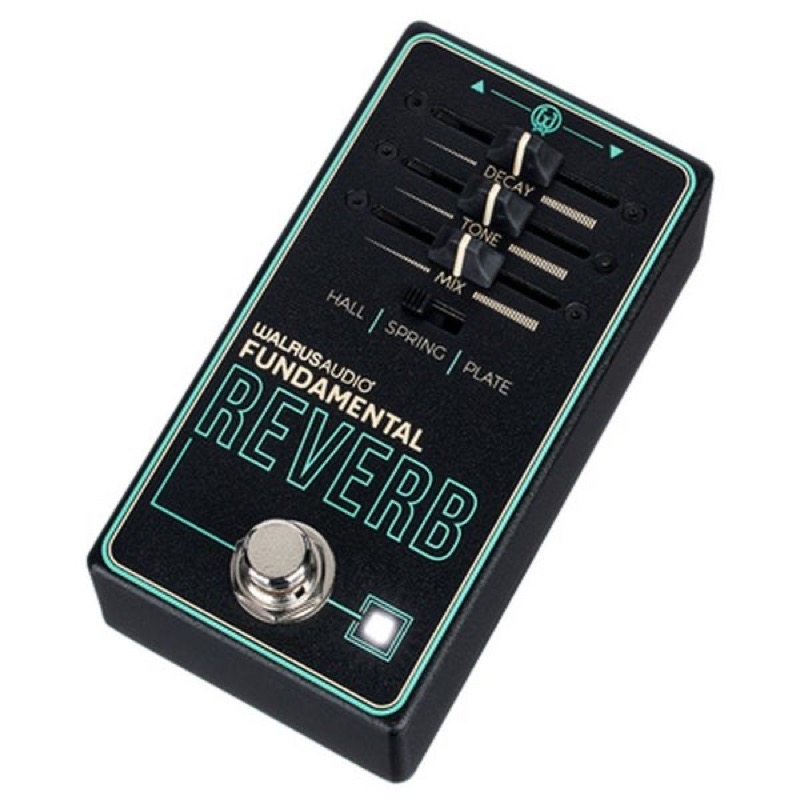
- Three essential algorithms, very well executed
- Faders: you can read your settings at a glance
- Mono only
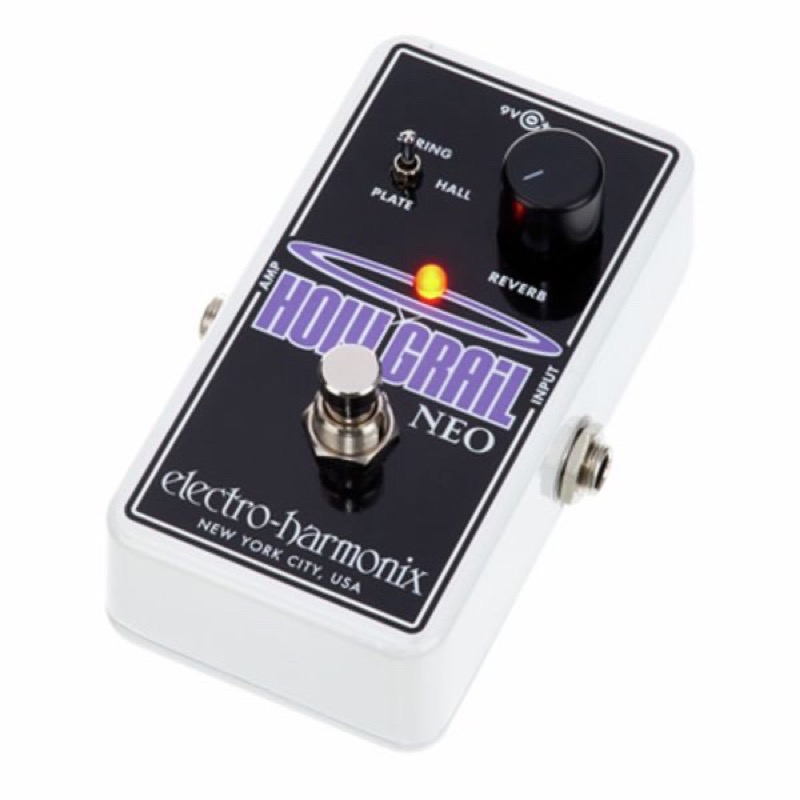
- One knob, three modes: impossible to get wrong
- The benchmark spring, true bypass
- No tone or decay control at all
Reverb is the pedal that stays on a pedalboard the longest: you change distortion boxes like shirts, but a good reverb sticks around. The good news is that you no longer need to spend more than €200 for a studio-grade sound. We compared five pedals on the basis of their spec sheets and user feedback, to work out the right choice for the way you play.
Comparison table
| Pedal | Guide price | Modes | Stereo | Who it’s for |
|---|---|---|---|---|
| Boss RV-6 | €169 | 8 | Yes | The one reverb to own, no app required |
| TC Hall of Fame 2 | €111 | 8 + TonePrint | Yes | Tweakers, and demanding tight budgets |
| EHX Oceans 11 | €149 | 11 | No | Ambient playing and sonic exploration |
| Walrus Fundamental Reverb | €109 | 3 | No | A first pedalboard |
| EHX Holy Grail Neo | €109 | 3 | No | Vintage spring, plug and play |
Prices seen at Thomann on the date the article was updated; they can move.
How we chose
This comparison is a documented round-up: we did not have these five pedals in hand on the same test bench. The recommendations cross-reference manufacturers’ spec sheets, user feedback published in large enough numbers to show a consensus, and our knowledge of the market. Three criteria guided the selection, in this order: core sound quality (a reverb should flatter the signal, not drown it), ease of use in the moment (setting a pedal in the dark between two songs matters), and real value for money — not the list price, but what you get for every euro. All five pedals are available new under €200, with proper European distribution.
Boss RV-6: our pick
The RV-6 is the most convincing all-rounder here. Its eight modes cover the whole useful spectrum (room, hall, plate, spring, modulate, dynamic, delay+reverb and shimmer) and, crucially, none of them is a gimmick. Going by user feedback, the spring holds its own against dedicated pedals and the shimmer stays musical even when pushed; the dynamic mode — the reverb steps back while you play and swells when you let a note ring — comes up again and again as the deciding argument in a band context.
Add stereo in and out, the option of an expression pedal, and Boss build quality that will outlive your career: at €169, this is the pedal we recommend without hesitation to anyone who only wants to buy one.
Who it’s for: the player who wants a reverb for life, with no app and no manual.
TC Electronic Hall of Fame 2: best value
At €111, the Hall of Fame 2 offers eight genuinely good algorithms plus TC Electronic’s secret weapon: TonePrint. Through the app (or over USB) you load artist-signed presets or edit every parameter in depth — pre-delay, modulation, EQ on the reverb tail. No other pedal in this comparison offers that editing depth.
The MASH footswitch adds an expressive dimension: it responds to pressure like a miniature expression pedal, perfect for swelling a shimmer over a single chord. The one reservation, widely shared in user feedback: straight out of the box, without the app, it is “only” very good. It pulls ahead once you dig in.
Who it’s for: the tweaker who enjoys refining a sound, and demanding players on a tight budget.
Electro Harmonix Oceans 11: most creative
Eleven algorithms in a compact enclosure, some of which you will not find anywhere else at this price: the signature EHX Shimmer, the Polyphonic mode (two adjustable transpositions on the reverb tail) and Reverse, irresistible for ambient work. Users rate the classic modes (hall, spring, plate) as solid, and the power supply is included — no small detail at this price point.
The flip side, mentioned regularly: with three knobs for eleven modes, some settings sit behind unintuitive combinations (long presses, secondary functions). The manual is not optional.
Who it’s for: the sonic explorer, the ambient or post-rock player, anyone who gets bored with three modes.
Walrus Audio Fundamental Reverb: best budget
Walrus Audio’s Fundamental range goes after the essentials, and user feedback confirms it pulls it off. Three algorithms (hall, spring, plate) executed with boutique-brand seriousness, and a brilliant fader interface: your settings read at a glance, even on a dark stage. Careful build, compact format, €109.
The limits are owned: mono only, no exotic modes, no advanced editing. But on its own brief — a beautiful reverb, straight away — nothing is missing.
Who it’s for: a first pedalboard, or the minimalist who wants boutique without the boutique price.
Electro Harmonix Holy Grail Neo: simplest
One blend knob, a three-way selector (spring, hall, plate), true bypass, done. The Holy Grail’s spring has been a benchmark for twenty years — it is the one you hear on countless records — and its hall is described as surprisingly deep for such a stripped-back pedal.
The complete absence of tone or decay control does reserve it for players chasing one sound rather than a palette. At €109, it does one thing, and it does it very well.
Who it’s for: the vintage spring lover, the absolute plug-and-play player.
Three things to know before buying
Put the reverb last in the chain, after distortion and delays (or in the amp’s effects loop if you drive it hard): it creates the space everything else resonates in.
Be wary of the shop try-out: a reverb always seduces when you play alone at moderate volume. The real test is with a band — that is where dynamic modes (RV-6) or pre-delay settings (HOF 2) earn their keep.
Stereo is only worth it if you use it: two amps, or stereo recording. Otherwise, don’t pay for it.
Verdict
For most players the Boss RV-6 is the safest choice: everything is good, everything is simple, nothing will date. If your budget is tight or you enjoy sculpting sounds, the Hall of Fame 2 offers an enormous amount for €111. And if your pedalboard leans ambient, the Oceans 11 is the most inspiring of the three.
Article updated on 18 August 2026. Prices are those seen at Thomann and may change.