Best modelling guitar amp under €400: our 2026 comparison
Our picks at a glance
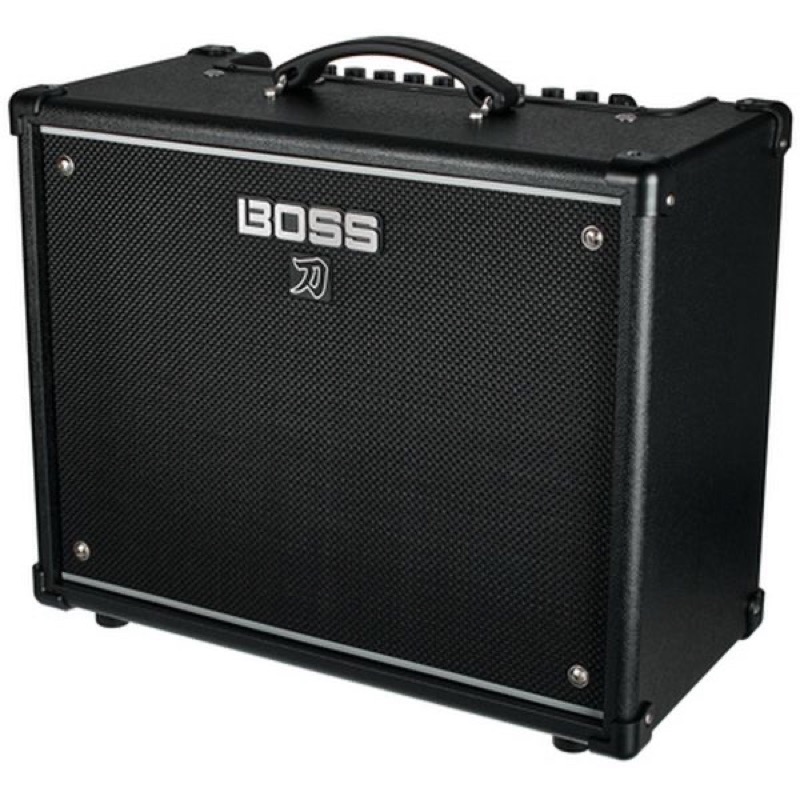
- Proven platform: convincing gain tones and real volume headroom
- Power control and over 60 effects through Boss Tone Studio
- Mono, and deep editing means getting a computer out
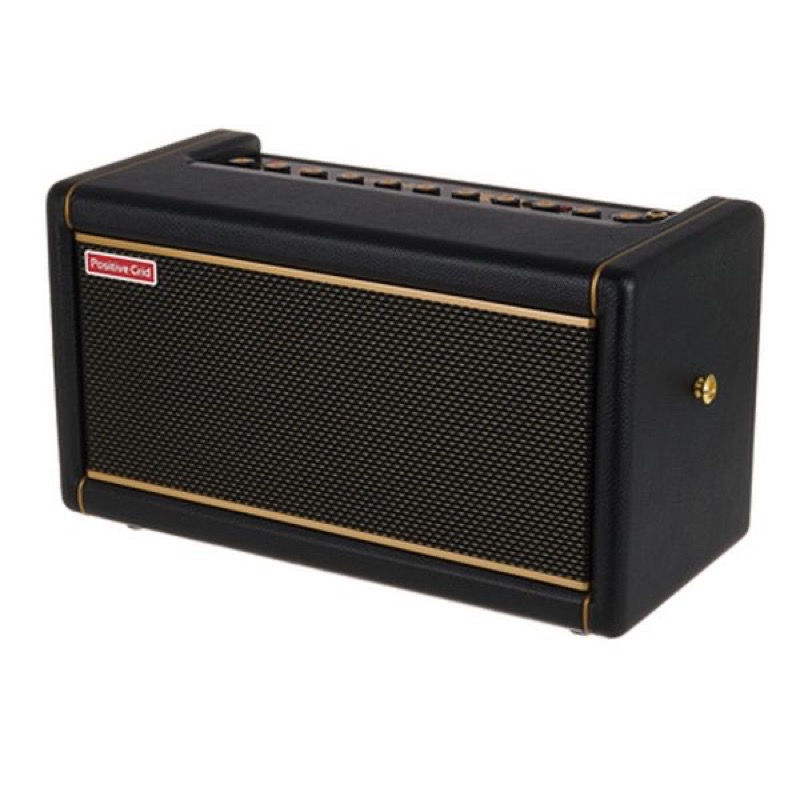
- Deeply featured app: smart jamming, automatic chord detection, shared tones
- Built-in looper and well-executed USB recording
- The experience leans heavily on your phone and a Positive Grid account
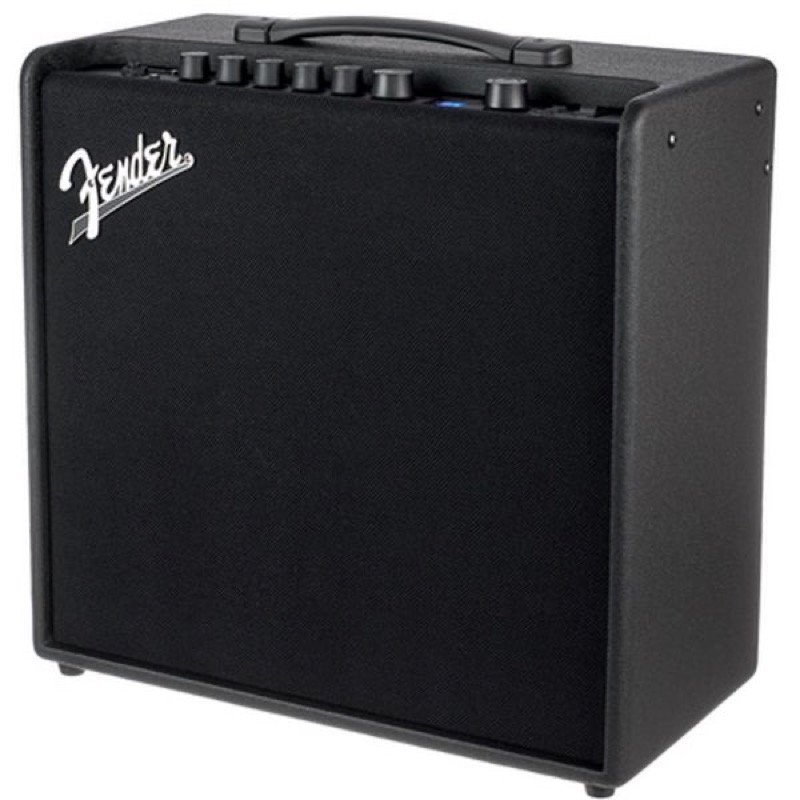
- Simple interface, factory presets usable straight away
- USB output to record without an audio interface
- Gain tones less refined than the competition, according to user feedback
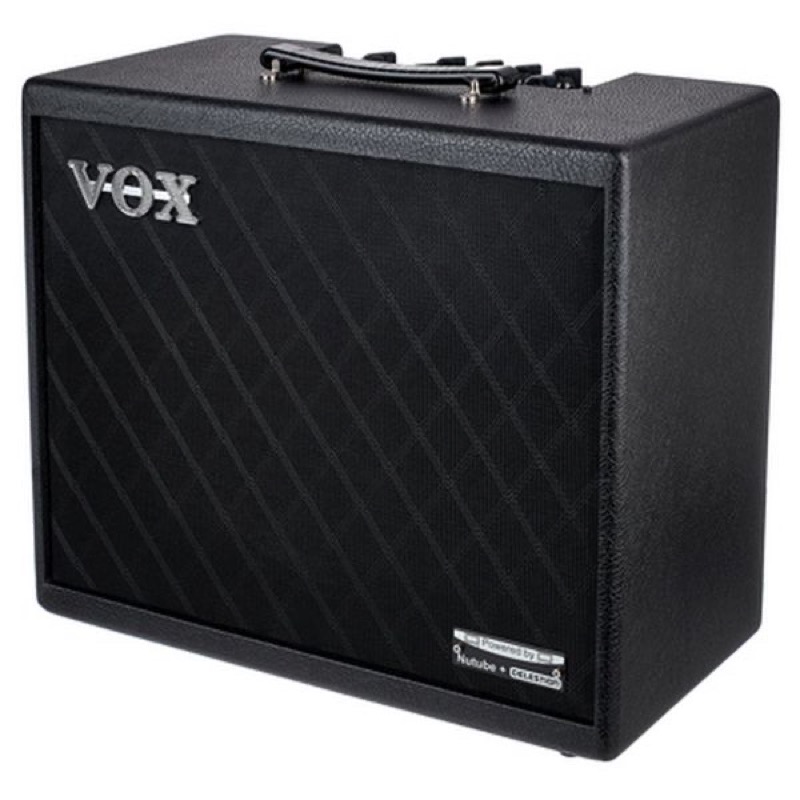
- Nutube preamp: a feel that gets close to a valve amp
- 12-inch Celestion speaker, rare at this price
- Fewer effects and a more limited app than its rivals
If you are after a modelling amp under €400 to play at home, our pick is the Boss Katana 50 Gen 3: the most versatile, the most dependable, and the only one here that could follow you into a rehearsal room the day playing in a band comes calling. But “best” depends above all on how you play: the Spark 2 is the most complete learning tool, and the Mustang LT50 the ideal way into a first combo. Here is our detailed comparison.
Comparison table
| Amp | Power | Amp models | Effects | App | ≈ Price | Who it’s for |
|---|---|---|---|---|---|---|
| Boss Katana 50 Gen 3 | 50 W (1×12) | 6 types, 2 variations each | Over 60 | Boss Tone Studio (computer) | ≈ €299 | The versatile choice, home and rehearsal |
| Positive Grid Spark 2 | 50 W stereo | 33 | 43 | Spark (mobile, very complete) | ≈ €259 | Learning and connected playing |
| Fender Mustang LT50 | 50 W (1×12) | 20 | 25 | Fender Tone LT (computer) | ≈ €279 | A first amp on a tight budget |
| Vox Cambridge50 | 50 W (1×12) | 11 | Essential modulations and reverbs | Tone Room | ≈ €267 | Anyone chasing valve feel |
Prices seen at Thomann on the date the article was updated; they can move.
How we chose
This comparison is a documented round-up: we cross-referenced spec sheets, public user feedback and, where they exist, our own reviews published on the site. Three criteria guided the selection, in this order: tone quality at household volume (that is where these amps will live 95% of the time), how easily you reach a good sound (an amp that demands twenty minutes of menus stays switched off), and real versatility: headphones, recording and possibly the ability to hold up in a band. All four amps are available new under €400, with proper European distribution.
Boss Katana 50 Gen 3: our pick
Three generations of Katana have made this series the benchmark among affordable modelling amps, and Gen 3 consolidates the gains. On paper the formula is unchanged: a 50 W combo with a 12-inch speaker, six amp types (including the new “Pushed” character, between clean and crunch, specific to this generation according to the spec sheet), each with two variations, and over 60 effects reachable through the Boss Tone Studio editor. The power control takes it down to 0.5 W to keep output-stage saturation at flat-friendly volume.
According to user feedback on Gen 3, the amp characters have gained further in naturalness, particularly on clean and crunch sounds — and the platform’s strengths, from convincing Brown high-gain tones to solid build quality, carry over.
The limits: the amp is mono, and while the four storable channels are driven from the front panel, deep effects editing calls for a computer. Nothing disqualifying for an amp that is also, alongside the Cambridge50, one of only two here that can face a rehearsal.
Who it’s for: the guitarist who wants a single amp for everything — living room, headphones, recording and the occasional band. Not for: anyone who wants to set everything from the sofa on a phone.
Positive Grid Spark 2: most connected
The Spark 2 is as much a practice companion as an amp. On paper the amplification side is serious: 50 W in stereo, 33 amp models and 43 effects inherited from the BIAS software, a built-in looper driven from the amp itself and a well-judged headphone output. But it is the Spark app that makes the difference: smart backing that follows your playing, automatic chord detection on a streamed track, and thousands of community presets you can load in two taps.
For making progress, jamming and exploring sounds without plugging anything in, no other amp on this list comes close.
The downside: without a smartphone and a Positive Grid account, you only use a fraction of the machine. The eight presets available from the front panel will do in a pinch, but the amp is designed with the app in hand. An optional battery, sold separately, makes it portable.
Who it’s for: the connected self-taught player, anyone practising with backing tracks and exploring tones. Not for: the app-averse, or anyone who wants a standalone amp above all.
Fender Mustang LT50: best first classic combo
The Mustang LT50 is the most recommendable entry point for anyone who wants a proper combo with a 12-inch speaker without breaking a tight budget. The Fender recipe: a deliberately simple interface, a small colour screen, one encoder, and factory presets covering the classic registers (Fender cleans first and foremost, and logically well done, according to user feedback). Twenty amp models and 25 effects combine freely, and the USB output records straight into software with no audio interface.
According to user feedback, clean and lightly crunched tones are the amp’s strong suit, while heavier gain proves less convincing than on a Katana. At this price the trade-off makes sense: the LT50 does the essentials well and speaks to the beginner or the returning player, not the metal tone-hunter.
Who it’s for: a first amp, a tight budget, a lover of Fender cleans. Not for: the metal player, or anyone wanting a full-featured mobile app.
Vox Cambridge50: most valve-like
The Cambridge50 plays a card no one else here holds: its preamp carries a Nutube, the miniature low-consumption valve developed by Korg, which brings a compression and attack response that pure modelling struggles to reproduce. According to the spec sheet the rest follows: 50 W, a 12-inch Celestion speaker (rare under €300), a model selection obviously centred on the VOX AC30 and AC15 but not limited to them, and the Tone Room app for editing.
According to user feedback, this is the amp here that delivers the playing sensations closest to a valve amp: the dynamics respond convincingly to the guitar’s volume control and to pick attack. In return, the effects section stays basic next to a Katana or a Spark 2, and the software ecosystem is less lively.
Who it’s for: the player who cares about touch and dynamics, the British-tone lover. Not for: anyone wanting a large library of effects and community presets.
The over-budget mention: Yamaha THR30II Wireless
The THR30II Wireless would have deserved a place here, but at around €469 at Thomann it goes past this comparison’s ceiling. It remains a benchmark for playing at home: designed from the ground up as a desktop amp, with 30 W in stereo, 15 guitar amp models (plus 3 bass models and 3 mic models for acoustic), a built-in battery, Bluetooth and an onboard wireless receiver. If your guitar never leaves the living room and the budget can stretch, it offers, to our ears, the best low-volume sound in its class.
What to know before buying
Think use case, not wattage. A 50 W modelling amp is not there to play louder at home, but to keep clean headroom. The real question: will you ever play with a drummer? If so, you need a 12-inch combo (Katana, Mustang, Cambridge). If not, a desktop amp like the Spark 2 will sound better at living-room volume.
Check your tolerance for apps. The Spark 2 without a smartphone loses most of its point; the Katana and Mustang are edited on a computer; the Cambridge50 stays very usable from the front panel. Choose according to how you actually enjoy dialling in a sound.
Think about headphones and recording. If you play late at night or record demos, the quality of the headphone output and the presence of USB audio weigh more than the tenth amp model. On that ground, the Spark 2 leads.
Verdict
For most guitarists the Boss Katana 50 Gen 3 is the safest choice under €400: convincing tones, a platform matured over three generations, and versatility that will keep up as your playing evolves, from the living room to the rehearsal space. The Spark 2 is the best teacher of the bunch, the Mustang LT50 the first combo to recommend on a tight budget, and the Cambridge50 the surprise for anyone unwilling to give up the feel of a valve amp. And if your guitar will never leave the house, the Yamaha THR30II justifies stepping outside this comparison’s brief, provided the budget stretches past €400.
Article published on 14 January 2026. Prices are indicative, seen at Thomann, and can change.
Frequently asked questions
Can a modelling amp replace a valve amp?
For playing at home, yes in the vast majority of cases: convincing tones at low volume, built-in effects, headphone output and USB recording. A valve amp keeps a dynamic advantage at high volume, but that is unusable in a living room. The Vox Cambridge50 and its Nutube valve offer an interesting middle ground.
How much power do you need to play at home?
Between 20 and 50 W in modelling terms, bearing in mind you will spend most of your time under 5 real watts. What matters is not peak power but tone quality at low volume: a power control (as on the Katana) or a desktop-amp design (like the Spark 2) counts for more.
Can you play in a band with a modelling amp under €400?
With a 50 W combo and a 12-inch speaker like the Boss Katana 50 or the Vox Cambridge50, yes — for rehearsing with a reasonable drummer. A desktop amp like the Spark 2, on the other hand, is designed for home use, not for keeping up with a drum kit.
Do these amps let you play through headphones and record over USB?
Yes, all four amps here offer a headphone output with speaker simulation and record straight over USB with no audio interface. That is one of modelling's great advantages for the home studio: one box covers playing, silence and tracking.