Best headphones for guitarists: our 2026 comparison
Our picks at a glance
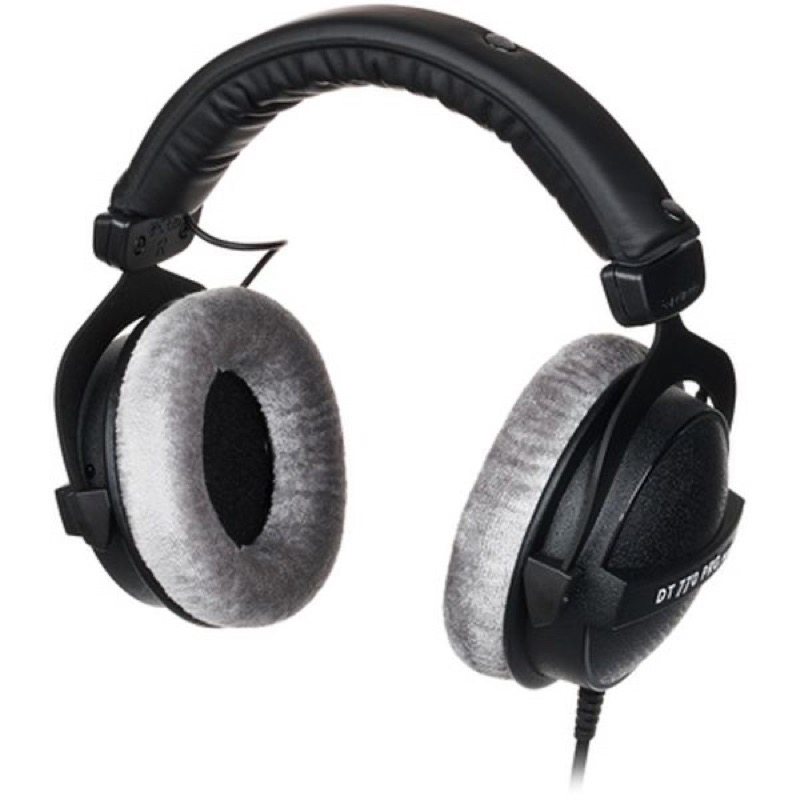
- Benchmark velour comfort, even over very long sessions
- Made in Germany; every wear part can be replaced
- Non-detachable cable
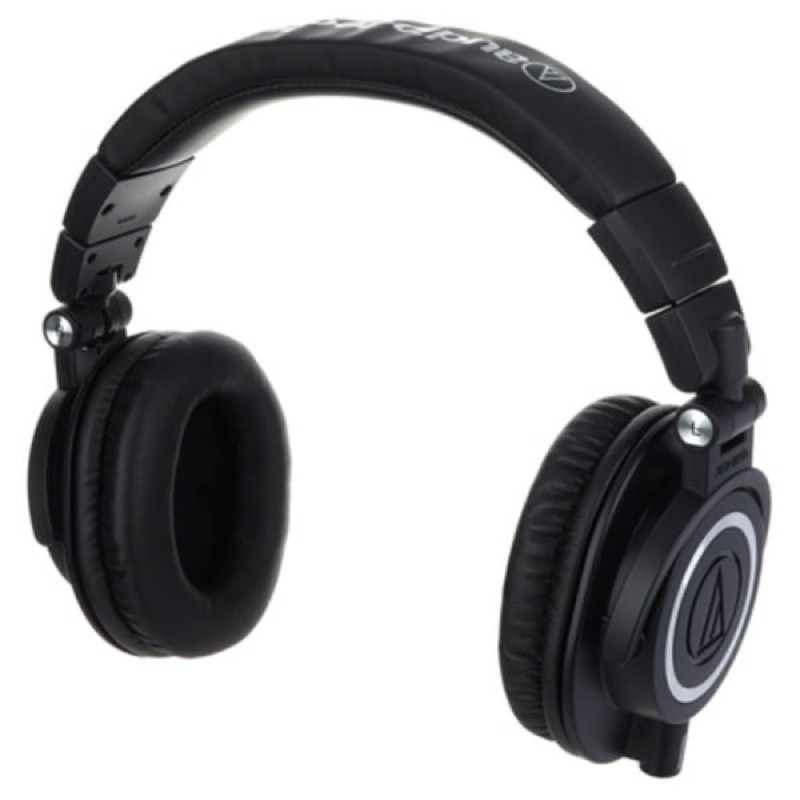
- Three detachable cables and folding cups: built for life on the move
- 38 ohms: happy on a phone, an audio interface or a modelling amp
- Faux-leather earpads that run warm
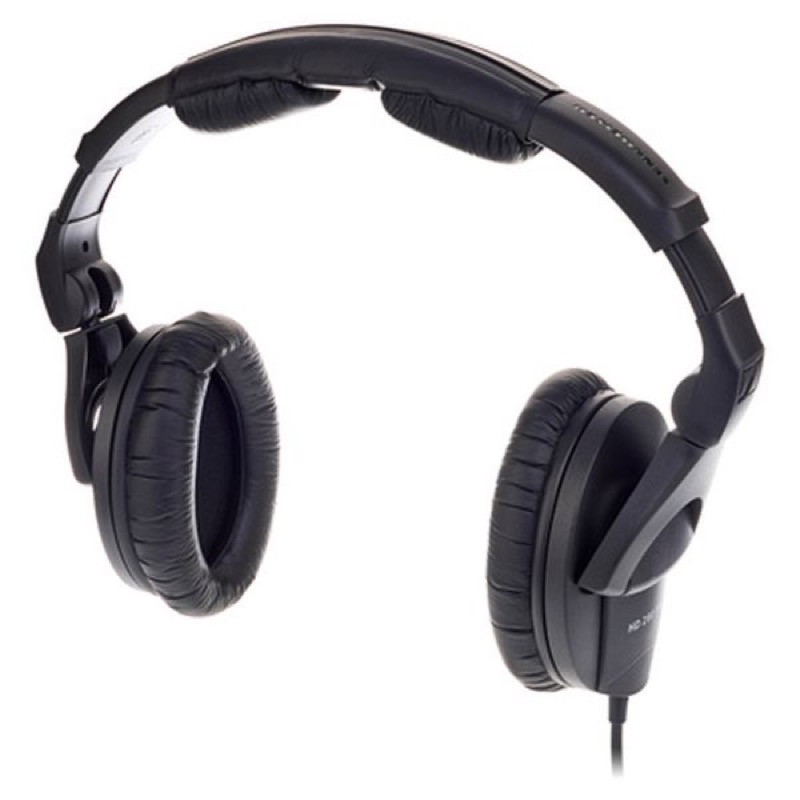
- Passive attenuation up to 32 dB: ideal for recording with a microphone
- The cheapest genuinely serious closed-back here
- All-plastic build, fixed coiled cable
- Surprisingly balanced response for a rock-bottom price
- Light (230 g without cable) and easy to drive (32 ohms)
- Boosted treble, tiring at high volume
- Wide, airy stereo image, perfect for mixing your takes
- The same velour comfort as the DT 770 Pro
- Open-back: no isolation at all, unusable near a microphone
For most guitarists, the best headphones are the Beyerdynamic DT 770 Pro in the 80-ohm version: closed-back, comfortable for hours, faithful enough to dial in a modelling amp and rugged enough to last decades. Playing in silence, recording, listening back: headphones have become a central link in playing at home. We compared five references on the basis of their spec sheets and user feedback, to work out the right choice for your use and your budget.
Comparison table
| Headphones | Guide price | Type | Impedance | Who it’s for |
|---|---|---|---|---|
| Beyerdynamic DT 770 Pro 80 Ohm | ≈ €149 | Closed | 80 Ω | The safe choice, daily playing to home studio |
| Audio-Technica ATH-M50X | ≈ €148 | Closed | 38 Ω | Life on the move, phone to audio interface |
| Sennheiser HD-280 Pro | ≈ €89 | Closed | 64 Ω | Recording with a mic, mid budgets |
| Superlux HD-681 | ≈ €23 | Semi-open | 32 Ω | A first pair, the smallest budget |
| Beyerdynamic DT 990 Pro 80 Ohm | ≈ €148 | Open | 80 Ω | Mixing and quiet listening |
Prices seen at Thomann at the time of publication; they can move.
How we chose
This comparison is a documented round-up: we did not line these five pairs up on the same test bench. The recommendations cross-reference manufacturers’ spec sheets, user feedback published in large enough numbers to show a consensus, and our knowledge of guitar gear.
Four criteria guided the selection. Fidelity first: monitoring headphones should let you hear your tone as it is, not a flattered version of it. Long-session comfort next, because a practice session soon runs past the hour. Durability and repairability, because headphones have a hard life between a music stand, a bag and a mic stand. And finally suitability for guitar gear: we systematically chose the low- or medium-impedance versions (32 to 80 ohms), which give a comfortable level from the headphone output of a modelling amp, a multi-effects unit or an audio interface. The 250-ohm versions of the same models, designed for studio control rooms, need a dedicated headphone amp.
Closed, open or semi-open: which for guitar?
The cup design is the first thing to sort by, before brand and price. Closed-back headphones isolate in both directions: you do not hear the room, and the room does not hear you. That is the guitarist’s default choice, essential as soon as you record with a microphone (the click must not bleed into the take) and welcome in a flat. Open-back headphones let the sound breathe: the stereo image is wider, more natural, and listening is less tiring. But everyone around you hears it, and any microphone will pick it up. Semi-open splits the difference, with the compromises that implies. If you are only buying one pair: closed.
Beyerdynamic DT 770 Pro 80 Ohm: our pick
Present in studios worldwide since the 1980s, the DT 770 Pro is about as close to a standard as it gets. The 80-ohm version chosen here covers a frequency response of 5 to 35,000 Hz and is sensitive enough for the headphone outputs of modelling amps, while keeping the precision that made its reputation: tight bass, detailed treble, a presentation that forgives little — which is exactly what you want from a working tool.
In user feedback, one point comes up even before the sound: comfort. The soft, interchangeable circumaural velour earpads allow long sessions with no heat build-up or fatigue, glasses-wearers included. The whole thing is made in Germany and — the decisive argument over time — every wear part can be replaced: earpads, headband, drivers. A DT 770 Pro is maintained, not thrown away. The one concession: the cable is not detachable.
Who it’s for: the guitarist who wants a single pair for everything — daily playing, recording, listening back. Not for: anyone who needs a replaceable cable or folding headphones for travel; see the ATH-M50X.
Audio-Technica ATH-M50X: most versatile
The ATH-M50X is the other great classic of affordable monitoring, and its main argument comes down to one word: modularity. Three detachable cables supplied (coiled, short straight, 3 m straight), swivelling and folding cups, a contained 287 g without cable: these are the headphones that follow a guitarist everywhere, from the bedroom to the rehearsal room. Their 38-ohm impedance makes them happy on anything, from a phone to an audio interface, with no headphone amp.
Sound-wise, the 45 mm drivers deliver a detailed response with, according to both the spec sheet and user feedback, a slight lift in the bass and treble. That is flattering and very enjoyable to play through; it is a little less neutral than the DT 770 Pro for judging a take closely. The enveloping faux-leather earpads, on the other hand, run warmer than velour over long sessions.
Who it’s for: the mobile guitarist, moving between home, transport and rehearsal, who wants headphones that sound good on every source. Not for: anyone chasing maximum neutrality for quiet work.
Sennheiser HD-280 Pro: best isolation
The HD-280 Pro plays a simple card: it is the most affordable serious closed-back here, and the one that isolates best. Sennheiser quotes up to 32 dB of passive attenuation, a rare figure at this price, and it changes everything as soon as you record an acoustic guitar or a vocal with a microphone: the headphone mix does not bleed into the take, and room noise does not break your concentration.
The compromises are known and accepted by owners: an all-plastic build (robust in use, but without the premium feel of the Beyerdynamics), a fixed coiled cable, and earpads whose wear comes up regularly in reviews — replaceable, fortunately. The presentation is neutral, aimed at work rather than pleasure.
Who it’s for: the home-studio owner on a mid budget, and anyone recording with a mic in a noisy room. Not for: anyone wanting headphones that feel special day to day; comfort and finish stay utilitarian.
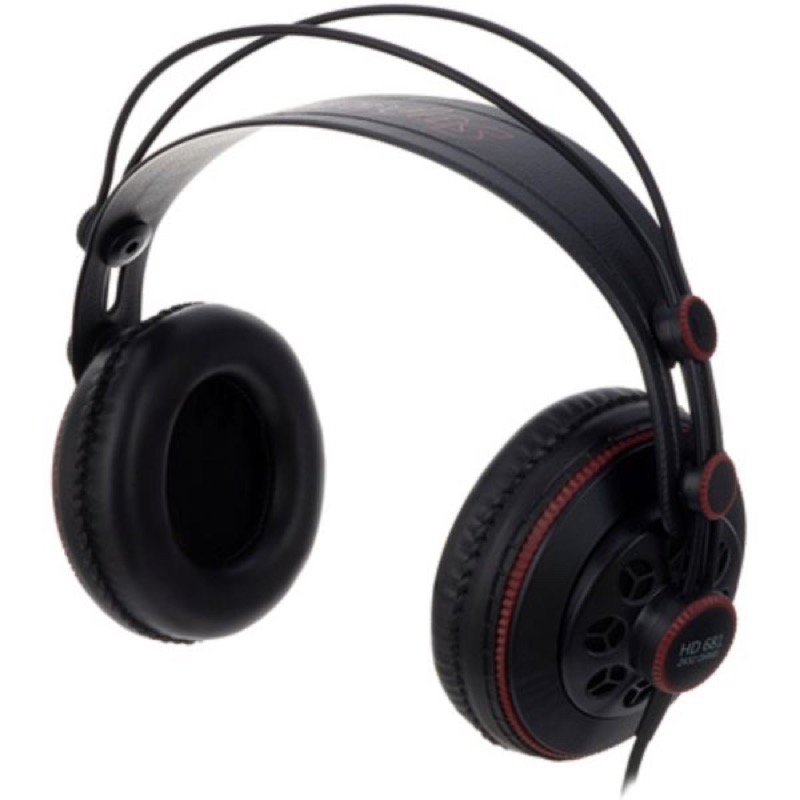
Superlux HD-681: best budget
At a rock-bottom price of around €23, the HD-681 has become a phenomenon: user feedback agrees on a response that is surprisingly balanced for the money, with no obvious hole in the bass or mids, where budget headphones usually fall apart. Light (230 g without cable), mounted on a self-adjusting headband with a metal structure, and easily driven by any source thanks to its 32 ohms, it does the job of headphones costing three times as much.
Two reservations come up consistently. Its boosted treble can tire the ear at high volume over long sessions. And its semi-open design limits isolation in both directions: in a flat in the evening, the people around you will hear a thread of sound, and it is not the best candidate for recording with a mic.
Who it’s for: the beginner kitting out a first modelling amp, and any guitarist who wants to discover monitoring without commitment. Not for: anyone recording with a mic or playing late in a resonant home.
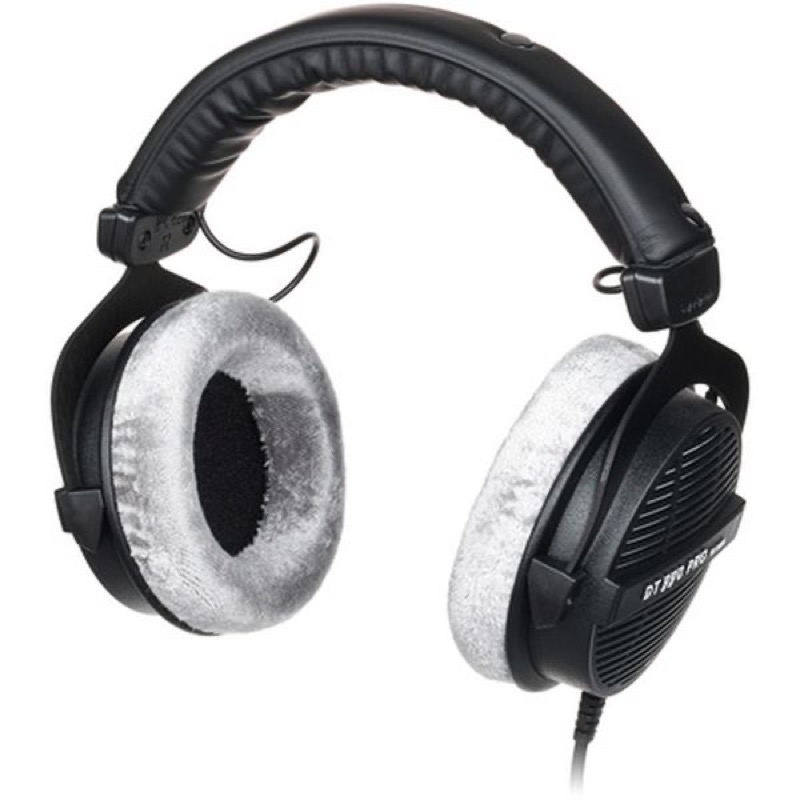
Beyerdynamic DT 990 Pro 80 Ohm: for mixing
The DT 990 Pro is the open-back sibling of the DT 770 Pro: same headband, same grey velour earpads, same build quality, but a diffuse-field design that frees up the soundstage. The stereo image, exceptional according to user feedback, makes these headphones a choice tool for mixing your takes and listening back to your playing with some distance: the layers separate, and listening fatigue drops. The 80-ohm version chosen here keeps a comfortable level from an audio interface or a mobile device.
Their open nature is also their limit, and it rules them out for some uses: no isolation at all, in either direction. Everything you listen to is audible in the room, and any live microphone nearby will capture it. These are a second pair, or the pair for someone who works alone and in quiet.
Who it’s for: the guitarist who records and then mixes their tracks, alongside a closed-back pair for tracking. Not for: anyone looking for a single pair, especially in a flat.
Three things to know before buying
Never plug headphones into the speaker output of a valve amp. That output expects a load (a cabinet or a loadbox), not headphones: you risk damaging the output transformer, and your ears with it. Playing through headphones goes through a dedicated headphone output, standard on modelling amps and multi-effects units.
Impedance decides the volume available. Between 32 and 80 ohms, everything works everywhere. Above that (the 250-ohm versions of studio headphones), the level drops on a standard headphone output and a headphone amp becomes necessary. That is why this comparison picks the 80-ohm versions of both Beyerdynamics.
Think about spare parts. Monitoring headphones last a long time if the earpads and cable can be replaced. That is the strength of the DT 770 Pro and 990 Pro, and the blind spot of most budget headphones.
Verdict
The Beyerdynamic DT 770 Pro 80 Ohm is the pair we recommend without hesitation to most guitarists: comfortable, faithful, repairable, they suit daily playing as well as first recordings. Tight budget? The Superlux HD-681 offers unbeatable value to get started, with room to move up later. If you record with a microphone, the isolation of the Sennheiser HD-280 Pro makes it the safest tool. And for mixing your tracks, the open-back DT 990 Pro is the ideal companion to a closed-back pair.
Article published on 26 August 2026. Prices are indicative, seen at Thomann, and can change.
Frequently asked questions
Open-back or closed-back headphones for playing guitar?
Closed-back in the vast majority of cases: they shut out room noise, cannot be heard in the room and let you record with a microphone without bleed. Open-back headphones give a more natural soundstage, but are best kept for mixing and quiet listening.
What impedance should a guitarist's headphones be?
Between 32 and 80 ohms. Those impedances work well on the headphone outputs of modelling amps, multi-effects units and audio interfaces. The 250-ohm versions of studio headphones need a dedicated headphone amp to reach a proper level.
Can you plug headphones into any guitar amp?
No. You need a dedicated headphone output, which most modelling and practice amps have. Never plug headphones into the speaker output of a valve amp: it needs a matched load (a cabinet or a loadbox), or you risk damaging the amp.
Will hi-fi or gaming headphones do the job?
At a pinch, yes. But their flattering signature, often heavy on the bass, skews your perception: you end up dialling in your tone to compensate for the headphones' faults. Monitoring headphones, being more neutral, let you hear what your amp is actually producing.
Which headphones for playing guitar in a flat?
A closed-back pair plugged into the headphone output of a modelling amp remains the simplest and quietest solution for the neighbours. The Beyerdynamic DT 770 Pro 80 ohm is our pick for that use, the Superlux HD-681 the best way in.