Best beginner acoustic guitar under €300: our 2026 comparison
Our picks at a glance
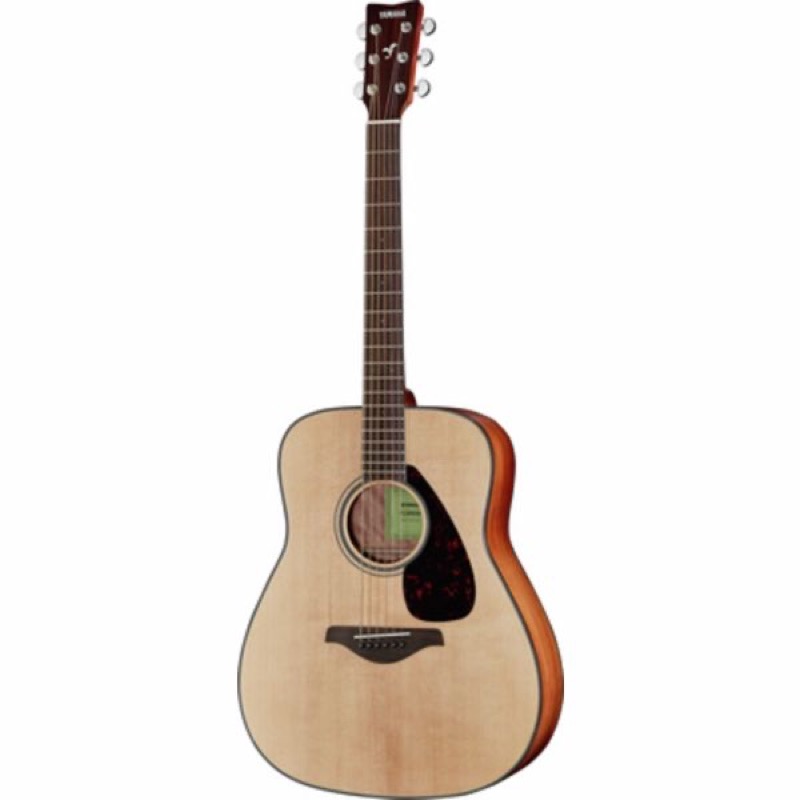
- Solid spruce top and the same build as the FG800
- Near-unanimous reputation for reliability and intonation among beginners
- Restrained matte finish, no cutaway and no electronics
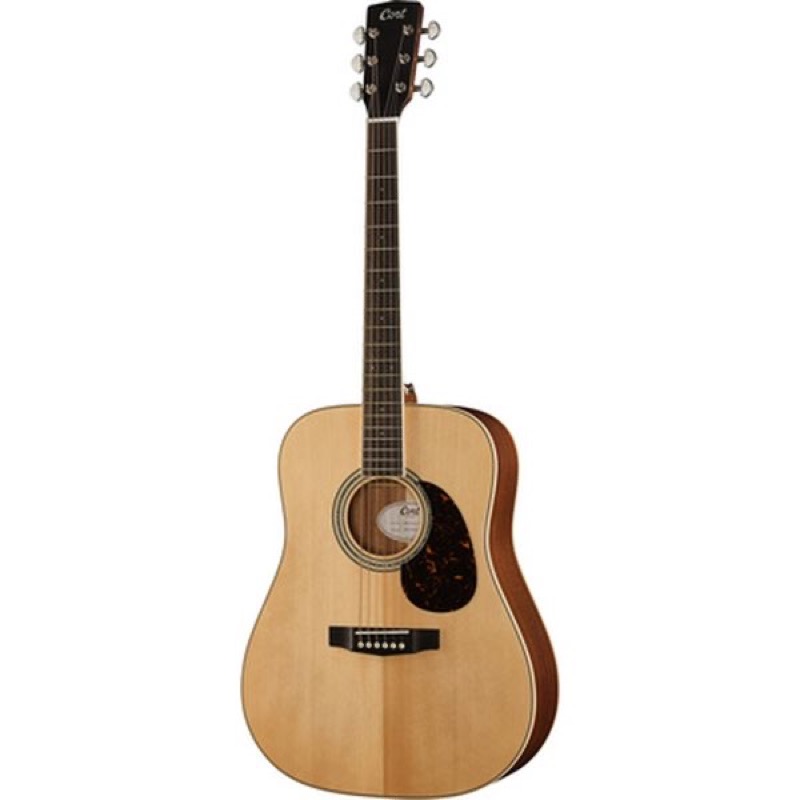
- Solid Sitka spruce top, according to the spec sheet
- Cort builds for major brands: the expertise is real
- Lower profile, so slightly harder to sell on
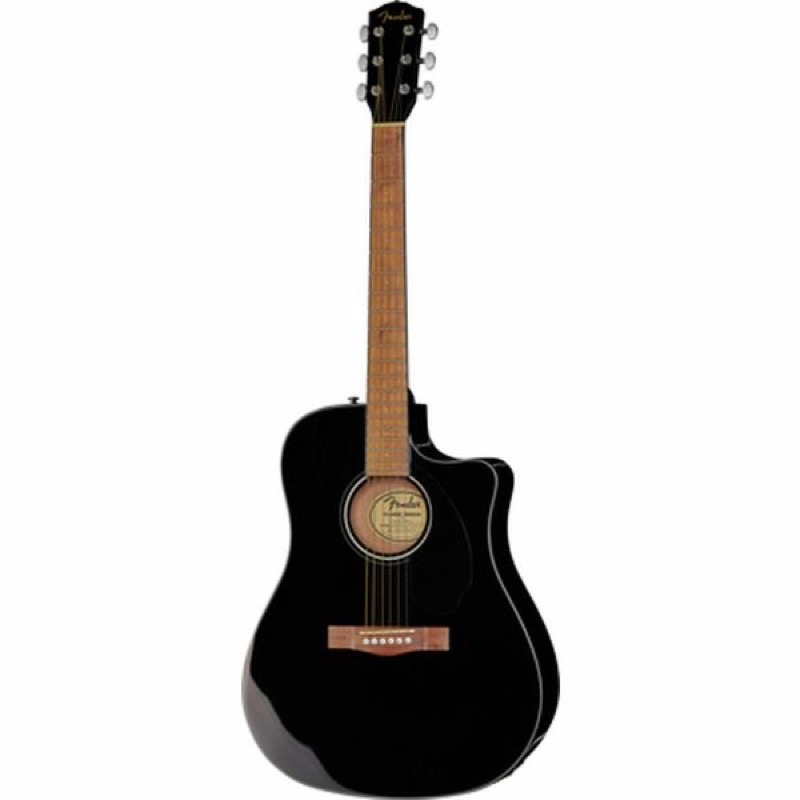
- Solid spruce top, cutaway and Fishman preamp with built-in tuner
- 43 mm nut, comfortable for a beginner
- No gig bag included; this reference comes in black only
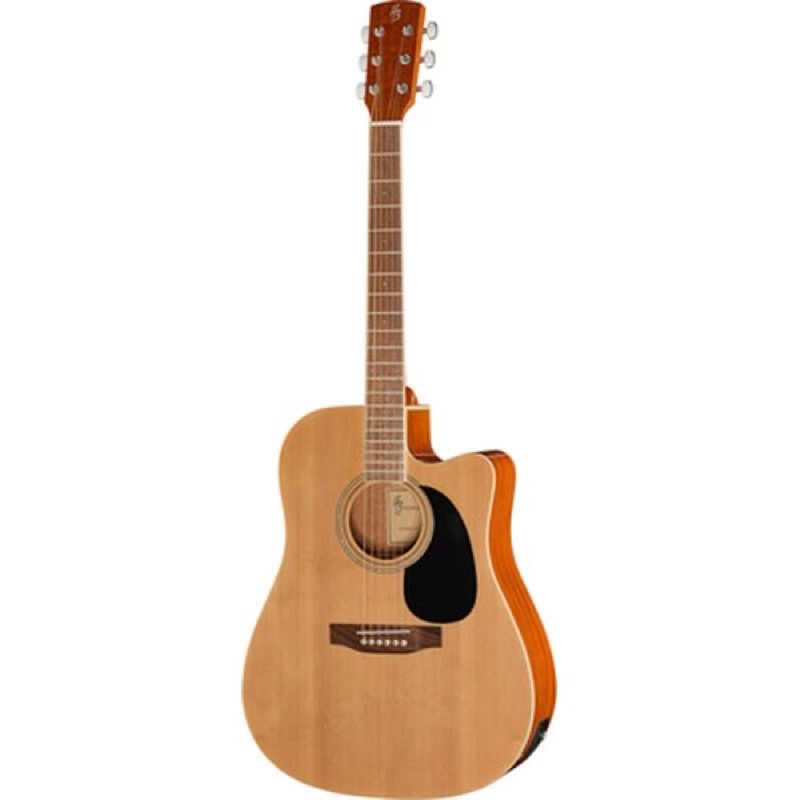
- Solid spruce top, cutaway and HB-03 preamp with tuner
- The lowest entry price here, with a full feature set
- Uneven quality control according to user feedback; a setup is often needed
To start out on acoustic guitar without going past €300, our pick is the Yamaha FG800M: the matte version of the FG800, with the same solid spruce top, the same build and the same decades-long reputation for intonation and reliability. If you want to plug in, the Fender CD-60SCE adds a cutaway and a Fishman preamp without giving up the solid top. This comparison goes through four affordable acoustics, selected on spec sheets and user feedback, to help you find your first acoustic guitar without nasty surprises.
Comparison table
| Guitar | Top | Body | Electro | Guide price | Who it’s for |
|---|---|---|---|---|---|
| Yamaha FG800M | Solid spruce | Dreadnought | No | ≈ €279 | The best possible start |
| Cort Earth 100 NS | Solid Sitka spruce | Dreadnought | No | ≈ €278 | Going off the beaten track |
| Fender CD-60SCE | Solid spruce | Cutaway dreadnought | Yes | ≈ €266 | Playing plugged in, with a big name |
| Harley Benton CLD-60SCE | Solid spruce | Cutaway dreadnought | Yes | ≈ €138 | The smallest budget |
Prices seen at Thomann on the date the article was updated; they can move.
How we chose
This comparison is a documented round-up: we did not have these four guitars in hand at the same time. The recommendations rest on manufacturers’ spec sheets, user feedback published in large enough numbers to show a consensus, and our knowledge of the entry-level market. Four criteria guided the selection:
- The soundboard: solid or laminate, that is the first factor in the sound. A solid top costs more to produce, vibrates better and opens up over time. All four guitars here have one, which was unthinkable at these prices ten years ago.
- Out-of-the-box playability: action that is too high, or poorly finished frets, discourage a beginner before the first song. We favoured models whose user feedback reports a decent factory setup, and flagged those that often need a trip to a tech.
- Finishing: well-cut nuts, even lacquer, tuners that hold pitch. At this price, consistent quality control makes the difference between two examples of the same model.
- Availability: all four models are in stock at Thomann at the time of updating. Several segment classics (right-handed Fender CD-60S, Cort Earth 70, Epiphone DR-100) have left the Thomann catalogue and were therefore left out.
Yamaha FG800M: our pick
The FG800M is the direct heir of the 1966 FG180, the acoustic that built Yamaha’s reputation. The “M” denotes a matte finish: it is the satin version of the FG800, with the same build. That detail matters, because the gloss-finish FG800 has climbed back above €300 and so falls outside this comparison, while the matte version stays under the ceiling. According to the spec sheet, you get the solid spruce top, nato back and sides and a slim neck profile: a proven recipe, with no frills, entirely in the service of the sound.
On paper it is the strongest proposition here. The solid top brings benchmark projection and harmonic richness for the segment, and Yamaha’s reworked bracing is reckoned to strengthen the bass. According to user feedback — remarkably consistent for an instrument at this price — intonation up the neck is exemplary, the factory setup decent and tuning stability dependable. That is exactly what a beginner needs: an instrument that does not cheat and never gets in the way of progress.
What the FG800M does not offer: a cutaway, electronics or a spectacular finish. The matte lacquer is unapologetically plain. That is a choice: every euro goes into the build rather than the hardware.
Who it’s for: the beginner who wants to buy once and spend years progressing on the same instrument. Not for: anyone who wants to plug into an amp from day one, or who is looking for a visually striking object.
Cort Earth 100 NS: the solid-top alternative
Cort is the biggest guitar maker nobody has heard of: the Korean brand builds, or has built, for many major names in the industry. The Earth 100 NS is its dreadnought positioned against the segment’s benchmarks and, according to the spec sheet, it lines up the argument that counts: a solid Sitka spruce top, the most widespread soundboard wood on higher-end guitars.
On paper, the level of construction therefore plays in the same league as the Yamaha, and user feedback on Cort guitars in this segment regularly praises build quality relative to price. We stick to the spec sheet here: dreadnought body, solid Sitka top, immediate availability at Thomann at the time of updating.
Its real weakness is not technical: it is name recognition. A Cort sells on more slowly and for less than a Yamaha or a Fender, which matters if you are thinking of moving up in two or three years.
Who it’s for: the beginner who buys on technical merit rather than badge, and intends to keep the guitar. Not for: anyone already thinking about resale, or who wants a reassuring name on the headstock.
Fender CD-60SCE: the big-brand electro
The CD-60SCE is the cutaway electro-acoustic version of Fender’s CD-60S line, offered here in a black finish. According to the spec sheet, the construction follows the recipe that made the range a success: solid spruce top, laminated mahogany back and sides, mahogany neck and a 20-fret walnut fretboard, on a 643 mm scale. The 43 mm nut, slightly narrower than the dreadnought average, makes life easier for smaller hands in the first months.
Its decisive argument against the Yamaha is the equipment: a cutaway that opens up access to the upper frets, and a Fishman preamp with built-in tuner, the segment’s benchmark. For a beginner aiming at a band, a choir or open-mic nights, it is the only big-brand guitar here to tick those boxes under €300.
Two things to know before buying: no gig bag is included, so add it to the budget, and this reference only exists in gloss black — a look that stands out against the segment’s usual natural finishes.
Who it’s for: the beginner who wants a big name and knows they will play plugged in. Not for: anyone who will never plug in — for the same money, the FG800M and Earth 100 NS put everything into the build.
Harley Benton CLD-60SCE: best budget
Harley Benton, Thomann’s house brand, has built a reputation for aggressive value, and the CLD-60SCE is a good example. For the lowest entry price here, it offers a cutaway, an HB-03 preamp with built-in tuner and — confirmed by both the Thomann listing and the manufacturer — a solid spruce top. That last point is far from trivial: a few years ago that was the spec of a guitar costing twice as much.
The feature set is the central argument: the cutaway opens up the upper frets, the built-in tuner simplifies a beginner’s life, and the preamp lets you plug into an amp or a PA as soon as the chance arises. For a first band, a choir or an evening with friends and a PA, that is a genuine plus.
The downside, mentioned regularly in user feedback: quality control less consistent than at Yamaha or Fender. Sometimes high action, frets to polish, uneven examples. Budget for a trip to a tech for a setup, which puts the purchase saving into perspective.
Who it’s for: a genuinely tight budget, or the beginner who wants the full feature set at once without paying a big-brand price. Not for: anyone who wants a flawless instrument straight out of the box.
Three things to do before playing
Get the action set up. On an entry-level guitar the factory string height is often too high, and that is the leading cause of giving up: fingers hurt, barre chords feel impossible. A setup at a tech transforms any of these four guitars, and it is the best investment after the instrument itself.
Change the factory strings. Strings fitted at the factory have often spent months in storage. A fresh set of light-gauge strings brightens the sound immediately and softens the feel. Learn to change them yourself from the start: it is a maintenance habit you will repeat for the rest of your playing life.
Budget for a gig bag. A padded bag protects against knocks and temperature swings, the real enemies of a solid top. The CD-60SCE in particular ships without one: plan for it at purchase. Add a clip-on tuner if your guitar does not have one built in, and you are set.
Verdict
For most beginners the Yamaha FG800M is the safest choice on the market: the solid top, intonation and reliability of the FG800 in a matte finish that stays under this comparison’s ceiling. The Cort Earth 100 NS plays in the same league with its solid Sitka spruce top, for anyone buying on the spec sheet rather than the badge. Need to plug in? The Fender CD-60SCE is the big-brand electro of the group, cutaway and Fishman preamp included, and the Harley Benton CLD-60SCE offers the same kind of equipment, solid top included, for the tightest budget — provided you accept less consistent quality control.
Article published on 13 May 2026, updated on 18 August 2026. Prices are indicative, seen at Thomann, and can change.
Frequently asked questions
What is the minimum budget for a decent acoustic guitar?
Reckon on around €138 for the Harley Benton CLD-60SCE, the cheapest here and already fitted with a solid spruce top. Around €280, the Yamaha FG800M offers the most dependable build in the segment. Below €100, intonation and comfort problems put off more than one beginner.
Solid or laminate top for a first guitar?
A solid top vibrates more freely, gives a richer sound and improves over the years. A laminate top, cheaper and more resistant to humidity swings, is still fine for starting out. All four guitars here have a solid top: at these prices, there is no longer any reason to go without.
Do you need an electro-acoustic to start out?
No, unless you have a specific need. The preamp is only useful plugged into an amp or a PA, which concerns few beginners in their first year. For the same budget, better build without electronics wins. The Fender CD-60SCE and Harley Benton CLD-60SCE make sense if you are aiming to play live soon.
Yamaha or Fender to start playing guitar?
Both brands are safe bets, but they no longer answer the same need. The Yamaha FG800M, a pure acoustic with a solid top, is our first choice for learning. The Fender CD-60SCE adds a cutaway and a Fishman preamp: it only wins if you plan to play plugged in soon.